

How to Negotiate Salary For Internship
Whether it’s your first post-graduate role or you are taking a summer internship, you will likely need to discuss your salary expectations with your employer.
Although internships are more about learning than making profits, you can still negotiate your pay if you feel that you’re underpaid. However, do your research before you start negotiating so that you can present your case in a strong and persuasive way.
Do Your Research
Salary negotiations can be a great way to get more out of your internship experience. However, it’s important to know what you should ask for and why before you start negotiating.
Before you begin a negotiation, research the average salary for internship positions in your area and learn about the company’s compensation guidelines. This will help you make an informed decision about whether or not it’s worth your time to negotiate.
You can also use your research to determine how much you should be willing to ask for. This will enable you to negotiate a higher number when it’s time to settle on a final offer.
The most effective method for negotiating a higher pay is to highlight how your skills, experience, and background contribute to the company’s needs. This can be done by providing evidence from your past work or internship experiences that prove you have what it takes to do the job well.
Another option is to request tuition reimbursement, which shows that you’re committed to improving your skills and increasing your value to the company. This can also increase your odds of securing a full-time position once you graduate.
It’s also a good idea to ask about relocation expenses, vacation days, licensure support and professional development funding before you discuss salary. These can be useful perks that can be worth more to you than a higher pay rate, Shen-Miller says.
When you’re preparing for your internship salary discussion, make sure that you understand the employer’s budget constraints. Some employers may have a fixed rate that they can’t change, while others may have a lot of flexibility when it comes to a negotiated internship salary.
You should also consider the location of your internship when deciding what to ask for. Interns from cities with a high cost of living may be able to demand a higher salary than those who live in lower-cost cities.
Getting paid a decent salary for your internship is a crucial part of your career development and should not be overlooked. Taking the time to do your research and prepare for a successful salary negotiation can be a big win for both parties!
Don’t Share Your Personal Finances
As a general rule of thumb, you should never share your personal finances with a potential employer. It’s not only a bad idea, it can also put you in a sticky situation should your boss need to pay you more than he or she is comfortable giving.
One of the best ways to prevent this is by keeping a close eye on your bank accounts and credit card statements. If you see anything unusual, report it to your financial institution right away. This includes checking your balances and transactions, as well as looking up your history of credit card fraud.
Another thing to do is to ask your prospective boss about the company’s compensation plan. It’s not uncommon for companies to offer a hefty stipend to interns, but it’s a good idea to ask what is actually included in the package.
If you are going to go the stipend route, make sure you get it in writing before you accept. This will ensure that both parties are happy and you don’t end up with a bill in the mail afterward.
Finally, the most important thing to do is to take a step back and think about your goals for this internship. It may be that you are just looking for a way to learn more about the industry, or that you are hoping to get a head start on your career path in the field. By making the right choices and negotiating with a high degree of confidence, you can ensure that you find the right internship to meet your needs.
Determine Your Priorities
Before you negotiate your internship salary, take the time to think about what you’re looking for. This will help you determine whether the job is a good fit for you. If it’s not, then it’s likely time to look for something else.
Make a list of your priorities and consider what’s most important to you. Some of these may include healthcare benefits, a flexible schedule, or location. Then, prioritize them in order of importance.
Once you have this list, set a “bottom line” for what you are willing to accept on the offer. You can then use this as a guide for negotiating the internship salary.
Depending on the position, it’s also possible that you might be able to negotiate other aspects of the offer. For example, some employers will pay interns a one-time stipend to cover expenses, such as travel costs, visa fees, and coverage under their health insurance policy.
While you might be tempted to negotiate your internship salary on the basis of how much money it will bring you, it’s important to remember that many internships are primarily about learning rather than making profits. In fact, the main purpose of an internship is to allow you to increase your skills and knowledge in preparation for future employment.
This means that if you negotiate on a salary, it’s best to keep your negotiations brief and direct. If the negotiation is going to be too long or involve multiple people, it can make the process difficult for both parties.
You can also learn about successful negotiating strategies by talking with fellow alumnae or mentors who have experience in this area. Ask them how they dealt with this issue and what their experiences were like.
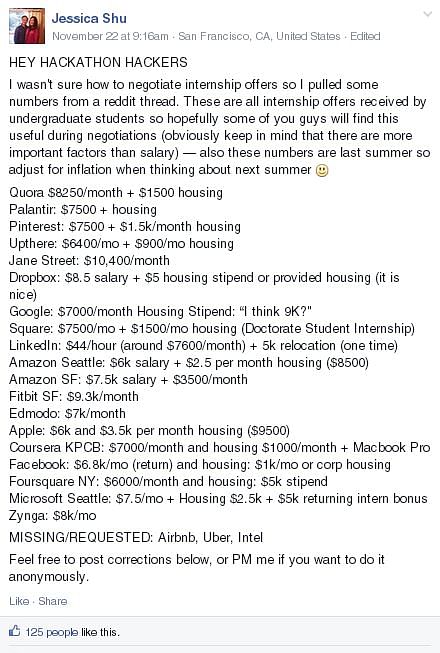
Another way to prepare for negotiating your internship salary is to review what other companies in your field are paying their interns. Check Glassdoor to see what other companies are offering in your market and sector.
While negotiating your internship salary is not a pleasant process, it can be a valuable skill for you to develop. It helps you become an expert in negotiation, allowing you to better represent yourself and advocate for your needs in the workplace. It can also improve your chances of landing a full-time role once you graduate.
Be Prepared to Counter-Offer
When you receive a job or internship offer, it is important to be prepared to counter-offer. This can be a challenging process, but it can also lead to a successful outcome if you are willing to put in the work and prepare for it ahead of time.
When negotiating salary, you need to be sure that you know what the market pays for your position, and have evidence to back up why your skills, experience, qualifications and performance warrant more than the initial offer. This means researching the sector and level of seniority, as well as the average salaries for candidates at your level.
This is a great opportunity to demonstrate your value and show that you are prepared to work hard for the company that offers you the opportunity. You can show your employer that you are a team player by being willing to negotiate an increase in your salary.
While it is tempting to ask for more than what you are initially offered, make sure that you understand the company’s budget and the reasons behind their decision to offer a certain amount. This will help you determine if your requested amount is fair and reasonable for the role.
Often, you will be asked to counter-offer your salary after the employer has offered a figure that is lower than what you would prefer. Rather than offering an initial figure, offer a range, and be prepared to walk away if they cannot come up with something within that range.
You can also ask for additional benefits, such as vacation time or travel expenses. This can help you keep your total compensation package in line with what you want and will make the overall process less stressful for both parties.
The best thing to do is to decide what your bottom line is before scheduling your salary negotiation. This will give you a sense of what your priorities are, and help you avoid making a mistake that can impact your future employment prospects.
Once you’ve decided what you need, you can be confident in your negotiations and will have a better chance of getting what you deserve. Ultimately, a successful negotiation depends on your ability to remain professional and respectful during the conversation.